


Lake Constance Travel Guide: A Sustainable Luxury Journey Across Germany, Switzerland & Liechtenstein
- Jessica Heather

- Jun 14
- 35 min read
AD | Hosted This blog is in collaboration with Bodensee Tourismus
All opinions expressed in this post are my own.
Why Visit Lake Constance in 2026?
Lake Constance - known locally as the Bodensee is one of Europe’s most quietly extraordinary destinations. Spanning Germany, Switzerland, and Austria, with nearby Liechtenstein, it functions less like a border region and more like a shared cultural landscape. For centuries, it has been a crossroads of trade and ideas, and today that legacy lives on in the seamless way people, languages, and traditions blend across its shores. Moving around the lake, the shifts between countries feel subtle rather than defined, creating a travel experience that is fluid, diverse, and deeply interconnected.
In 2026, the region stands out not only for its scenery but for its leadership in sustainable tourism. The lake itself is one of Europe’s most protected water sources, and that responsibility shapes everything from transport to hospitality. Integrated train and ferry networks reduce the need for cars, while local farms, vineyards, and fisheries supply restaurants with seasonal ingredients. Hotels tend to be smaller and locally rooted, supporting regional economies rather than mass tourism. Together, these elements create a destination that feels both forward-thinking and authentic, where sustainability is not a trend but a natural part of everyday life.

Getting There and Around: Transport at Lake Constance

Arriving via Zurich Airport is by far the most efficient entry point into the Lake Constance region. Unlike many major European airports, Zurich is designed with rail connectivity at its core, meaning you can step off a flight and be on a train within minutes without ever leaving the terminal complex. Direct services link the airport to lakeside towns such as Konstanz, Romanshorn, and St. Gallen in around an hour, creating a smooth transition from international travel to regional exploration. The experience is efficient and seamless, immediately setting the tone for how well-connected this part of Europe is.

What truly sets Lake Constance apart, however, is not just accessibility but the way its entire transport network functions as a single, integrated system across national borders. Ferries operated by Bodensee-Schiffsbetriebe are a central part of this network. These vessels are not designed purely for sightseeing; they are essential links connecting communities on opposite shores.
Routes such as Konstanz - Meersburg or Friedrichshafen - Romanshorn run frequently throughout the day and are carefully synchronised with train arrivals to minimise waiting times. Boarding is straightforward, luggage is easily accommodated, and the journey itself becomes part of the experience, offering uninterrupted views of the lake and, on clear days, the distant Alps. Increasingly, these ferries are being modernised with lower-emission technology, reflecting the region’s long-term commitment to reducing its environmental footprint.
On land, the rail infrastructure is equally cohesive. Lines operated by German Deutsche Bahn, Swiss Federal Railways, and Austrian ÖBB converge around the lake, yet from a passenger perspective they feel like a single network. Trains are clean, reliable, and frequent, with cross-border routes requiring no additional formalities. It is entirely possible to travel from a German lakeside town to a Swiss city or an Austrian village without any sense of disruption, aside from subtle shifts in language or station design. This ease of movement is further enhanced by regional travel passes that simplify the entire experience.

One of the most useful options is the Bodensee Ticket, which covers trains, buses, and ferries across the international Lake Constance region, including areas such as Kreuzlingen. Designed specifically for cross-border travel, it allows unlimited movement within selected zones spanning Germany, Austria, and Switzerland. The ticket is widely available from station machines and staffed counters to buses, ferries, and many tourist information offices making it easy to access wherever your journey begins.
What makes the Bodensee - Ticket particularly appealing is its flexibility and the way it encourages exploration. Rather than planning each journey individually, travellers can move freely between towns, hop on ferries, or take spontaneous detours into smaller villages and countryside areas. During the winter season, the ticket takes on a different character, opening up access to Christmas markets, lakeside towns lit for the holidays, and quiet winter landscapes that feel far removed from peak summer crowds. Even outside winter, the same principle applies: it supports a style of travel that is fluid, unstructured, and immersive.
Additional benefits further enhance its value. The ticket integrates with regional guest cards such as the Echt Bodensee Card, offering reduced rates in some cases, and it also provides discounts on certain scheduled boat services during the main shipping season. This layered system of incentives reflects a broader regional strategy: to make sustainable transport not only the most environmentally responsible option, but also the most convenient and attractive.

Ultimately, getting around Lake Constance is not something you have to think about - it simply works. The combination of efficient rail connections, frequent ferries, and integrated ticketing systems creates a travel experience where logistics fade into the background. In their place comes a sense of freedom, where the journey itself becomes as enjoyable and meaningful as the destinations along the way.
Konstanz: Iconic Beauty, Living History, and Life on the Water
Konstanz is the largest city on Lake Constance and uniquely positioned as the only German municipality located on the lake’s southern shore, directly bordering Switzerland. This geography alone gives the city a distinctive character: you are constantly aware of crossing invisible lines between nations, yet the landscape remains uninterrupted. The historic centre sits tightly between water and border, framed by the broad expanse of Lake Constance - known locally as the Obersee - and the outflow of the Rhine, which begins its long journey north-west from here. This meeting of waters creates a sense of movement even when standing still, as ferries, sailboats, and river currents shape the visual rhythm of the city.

On clear days, the view from Konstanz harbour is one of the defining experiences of the entire region. The lake stretches out in a deep, shifting blue, scattered with sailing boats that seem almost suspended on the surface. Beyond the water, the horizon is marked by the faint but unmistakable silhouette of the Alpine foothills. The effect is both expansive and intimate at once: the lake feels vast enough to resemble an inland sea, yet close enough that every detail on the opposite shore remains visible. This combination of scale and clarity is part of what gives Konstanz its iconic status within the Bodensee region.
Despite its historical depth, Konstanz today is also very much a living, working city. The old town is not preserved behind glass but actively used, with its streets functioning as both commercial and social space. Shops line the pedestrianised centre, creating an environment where browsing becomes part of the city experience rather than a separate activity. Fashion boutiques sit alongside bookshops, bakeries, and specialist food stores, while street cafés spill out onto pavements, serving a mix of regional and Mediterranean-inspired cuisine. There is a relaxed rhythm to this part of the city, where lingering is expected and movement is unhurried. It is as much a place to spend time as it is to pass through.
This commercial vibrancy reflects Konstanz’s role as a regional hub, drawing visitors not only from Germany but also from nearby Swiss towns. The cross-border dynamic influences everything from retail patterns to everyday social behaviour. It is common to see shoppers crossing the bridge from Kreuzlingen, blending two national systems into a single urban flow. This gives the city a subtle cosmopolitan atmosphere that feels organic rather than imposed, shaped by geography rather than design.
Yet Konstanz is not only a place of urban life; it is also a gateway to the lake itself. The city has long functioned as a departure point for journeys across the Bodensee, and that role remains central today. Regular car and passenger ferries connect Konstanz with Meersburg, creating one of the most frequently used water crossings in the region. These ferries are not seasonal attractions but essential infrastructure, used by commuters, tourists, and freight alike. In addition, modern catamarans such as the fast connections to Friedrichshafen reduce travel times across the lake, turning what could be a long detour by road into a smooth and scenic crossing.
From Konstanz harbour, excursion boats link the city to almost every major settlement along the shoreline. This includes direct access to one of the region’s most famous attractions, Mainau Island, which belongs administratively to the city itself. Reaching the island by boat is part of its appeal, although it can also be accessed on foot or by bicycle via connecting routes. Once there, visitors encounter a carefully curated landscape shaped by both nature and design. Thanks to the lake’s mild microclimate, a surprising range of plant species thrives here, including palm trees, citrus plants, sequoias, and exotic flowers. The result is a botanical environment that feels almost Mediterranean, despite being located in southern Germany.
Konstanz also carries a strong cultural and historical identity tied to its role in the medieval world. The city has marked anniversaries of the Council of Constance, reflecting on its significance as a centre of religious and political negotiation in the 15th century. This history is still visible in the city’s architecture and museum culture, where exhibitions explore everything from ecclesiastical politics to maritime trade and regional development.
Beyond history and scenery, Konstanz is also deeply experiential, offering a wide range of activities that change with the seasons. In spring, Mainau Island becomes a landscape of blooming tulips and early blossoms, drawing visitors into carefully maintained gardens. Summer transforms the lake into a recreational space, where free lidos and swimming areas become central to daily life, and people move easily between water, parks, and cafés. Autumn brings a slower, more reflective atmosphere, often paired with guided city walks and wine tastings that highlight the region’s viticultural traditions. In winter, the city shifts again, with Christmas markets filling the old town with light, food, and seasonal craft traditions.
For those seeking more immersive experiences, Konstanz offers a variety of attractions that extend beyond its streets. Boat journeys across the lake are among the most atmospheric ways to experience the region, with vessels such as historic passenger ships and modern ferries providing different perspectives on the shoreline. Wellness experiences also play a role, with facilities like salt-based relaxation centres designed to mimic coastal environments, offering a sensory contrast to the inland setting. Meanwhile, attractions such as SEA LIFE Konstanz provide a window into the aquatic ecosystems of the lake and wider marine environments, reinforcing the importance of water in shaping both the natural and cultural identity of the region.
Ultimately, Konstanz works because it operates on multiple levels at once. It is a medieval city, a modern commercial centre, a transport hub, and a gateway to one of Europe’s most distinctive lakescapes. Rather than separating these identities, it allows them to overlap naturally. The result is a place where everyday life and travel experience are deeply intertwined, and where the idea of “destination” feels less fixed and more fluid, shaped constantly by water, movement, and connection.
A particularly memorable way to experience Konstanz is through a guided walk with a local expert such as Peter Regelmann, whose tours bring together the city’s layered history in a way that feels immediate and grounded rather than academic. Meeting near the harbour or at the tourist office, the introduction alone already sets the tone: Konstanz is not presented as a static museum piece, but as a living city shaped by centuries of trade, religion, and cross-border exchange.


As the tour moves through the old town, the narrow streets and painted façades begin to shift in meaning, with everyday buildings revealing stories of medieval merchants, ecclesiastical politics, and the city’s role during the Council of Constance. What makes the experience stand out is the way Peter connects past and present - pointing out how former guild houses now sit beside cafés, how former trade routes align with modern shopping streets, and how the city’s position between Germany and Switzerland continues to shape its identity. Rather than overwhelming detail, the narrative unfolds naturally as you walk, making it easier to understand how Konstanz evolved into the cosmopolitan yet grounded place it is today.
Meersburg: Medieval Charm and Wine Culture
Crossing the lake from Konstanz to Meersburg feels like entering a different tempo of life. Whether arriving by ferry or catamaran, the shoreline gradually reveals a steep hillside town rising directly from the water, its terraced vineyards and tightly packed rooftops forming one of the most recognisable silhouettes on Lake Constance. Unlike flatter lakeside settlements, Meersburg is built vertically, with a clear division between the lower lakeside promenade and the upper old town. This natural elevation gives the town a dramatic structure: you move upward through narrow cobbled lanes, past timber-framed houses with flower-filled balconies, until you reach viewpoints where the lake suddenly opens out below you in full panorama.
The atmosphere in Meersburg is shaped by its remarkable architectural continuity. Many of the buildings in the old town date back several centuries, and while carefully maintained, they are not museum pieces. People still live in them, run shops from them, and move through them daily, which gives the town a lived-in authenticity that is increasingly rare in historic European destinations. Small bakeries, artisan shops, and wine taverns sit within medieval façades, and the absence of heavy modern development helps preserve a sense of cohesion. Everything feels compact and intentional, as if the town grew organically from the landscape rather than being imposed upon it.
Dominating the upper town is Meersburg Castle, widely regarded as the oldest continuously inhabited castle in Germany. Its elevated position above Lake Constance is not accidental but entirely strategic, chosen to control both lake traffic and the surrounding wine-growing hinterland. From this vantage point, the castle once monitored trade routes moving across the water and along the northern Alpine foothills, making it a key stronghold in regional power structures for centuries. Even today, its silhouette above the terraced vineyards gives Meersburg a distinctly defensive and medieval character, as if the town is still shaped by its original military logic.


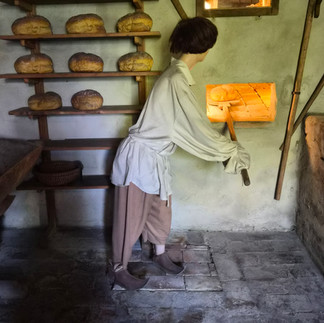


Unlike many castles in Germany that have been heavily restored or transformed into modern exhibition spaces, Meersburg Castle retains a rare sense of continuity between past and present. It has never fully ceased to be used as a lived-in structure, and this continuity is what gives it its particular atmosphere. As you move through its interior, you are not walking through a curated museum narrative, but through rooms that still feel anchored in domestic reality. Narrow stone staircases remain uneven and polished by centuries of footsteps, wooden beams show visible ageing and repair, and low ceilings reflect construction methods shaped by defence rather than comfort. The result is an environment where history is not displayed behind glass, but embedded in the architecture itself.
The castle’s structure reveals its gradual evolution over time. Rather than being built in a single architectural phase, it expanded organically across centuries, with each generation adding new rooms, towers, and defensive features onto existing foundations. This creates a layered plan where Romanesque cores sit alongside later Gothic and early modern additions, reflecting shifts in both architectural style and political function. What began as a fortified stronghold gradually incorporated residential quarters, administrative spaces, and domestic rooms, mirroring the transition from purely military importance to a more complex role as both residence and symbol of authority. This layering is still visible today, particularly in the way corridors shift unexpectedly, rooms vary in scale, and windows open onto different eras of construction.
Inside, furnished rooms help reconstruct the rhythms of daily life across different periods. Rather than staging grandeur alone, the castle focuses on lived experience - how people slept, worked, and governed within its walls. Displays of armour, wooden furniture, and everyday objects create a sense of continuity, suggesting that life here was not dramatically different in structure from other medieval households, only more elevated in status and security. This approach reinforces the feeling that the castle is not simply a relic of the past, but a preserved environment shaped by centuries of continuous occupation.
From the towers and upper terraces, the views remain one of the most powerful aspects of the visit. The lake stretches out in a wide expanse below, shifting in colour depending on light and weather, while vineyards cascade down the steep slopes surrounding the town. On clear days, the distant outline of the Alps becomes visible, reinforcing the castle’s original strategic purpose: control of both water and land routes through visual dominance. The landscape itself becomes part of the historical narrative, illustrating why this location was chosen and how geography influenced political power in the region.
Access to Meersburg Castle today is made particularly convenient through the Bodensee-Ticket system, specifically the Bodensee Card PLUS, which includes entry to major attractions across Germany, Switzerland, and Austria. With this pass, visitors can enter the castle without purchasing a separate admission ticket, making it part of a broader, integrated travel experience around Lake Constance. The card not only covers entry but also encourages a more fluid style of exploration, where visitors can combine the castle with ferry journeys, nearby museums, and lakeside towns within the same day.
This integration of heritage sites into a wider regional mobility system reflects a key feature of the Lake Constance area: cultural landmarks are not isolated destinations but part of a connected network. Visiting Meersburg Castle becomes not just an individual experience, but a node within a larger journey across the Bodensee, where transport, history, and landscape are designed to be experienced together rather than separately.
Dining at Restaurant See-Sicht captures the essence of the region in a single setting. The restaurant’s lakeside position means that the view becomes part of the meal, with wide windows or terraces opening directly onto the water. The cuisine is rooted in seasonality, with menus that shift according to what is available from the lake, nearby farms, and surrounding vineyards.


Fresh fish from Lake Constance is often prepared in simple ways that emphasise texture and freshness, while accompanying dishes draw on regional vegetables and herbs. Local wines naturally accompany the food, creating pairings that feel intuitive rather than constructed. There is a deliberate simplicity to the experience - nothing is overworked or overly complex- and this restraint allows the quality of ingredients and the beauty of the setting to take centre stage.
Taken together, Meersburg offers a concentrated version of what makes the Lake Constance region so distinctive. It is a place where medieval structure, agricultural tradition, and contemporary life coexist without conflict. The town does not separate history from daily life or landscape from economy; instead, it allows all of these elements to overlap naturally. The result is an experience that feels both immersive and grounded, where every street, vineyard, and view contributes to a broader sense of continuity between past and present.
Suite Droste 2 at Hotel zum Schiff: Historic Lakeside Comfort with Meersburg Breakfast Views
The Suite Droste 2 at Hotel Zum Schiff feels less like a standard hotel room and more like a carefully restored piece of Meersburg’s lakeside history adapted for contemporary comfort. Set within the hotel’s historic structure at Marktplatz 21, 88709 Meersburg, Germany, the suite reflects the layered architectural character of the building itself - thick original walls, slightly irregular proportions, and windows positioned to maximise either glimpses of Lake Constance or the tightly packed rooftops of the old town. Rather than erasing these historical quirks, the design works with them, giving the room a sense of personality that mirrors the town outside.
Inside, the suite typically combines warm natural materials with understated modern furnishings. Wooden flooring and soft textiles reference the region’s traditional craftsmanship, while the furniture tends toward a clean, contemporary aesthetic that avoids excess decoration. The layout often includes a separate seating area, creating a sense of space that encourages lingering rather than simply sleeping. Lighting is usually soft and layered, designed to complement the natural shifts of daylight that filter in from the lake side or the narrow medieval streets. Depending on the exact orientation of the room, mornings may bring direct sunlight over the water or a quieter, diffused glow over the old town’s rooftops.


The bathroom in the Suite Droste 2 continues this blend of old and new, with modern fixtures set within a restrained, elegant design. Walk-in showers, quality stone or tile finishes, and well-integrated lighting reflect the hotel’s commitment to comfort without breaking the historical atmosphere of the building. The overall impression is not of luxury in a flashy sense, but of calm, well-balanced design that respects the building’s age while meeting contemporary expectations.
What makes the experience particularly distinctive is how the suite connects visually and atmospherically to Meersburg itself. From the windows, you are constantly reminded that the lake is only a short distance away, even when hidden by rooftops and narrow alleys. The rhythm of the town becomes part of the stay: church bells in the distance, footsteps on cobblestones below, and the subtle movement of light across the lake surface. It is a room that feels embedded in its surroundings rather than separate from them.
Breakfast at Hotel Zum Schiff continues this sense of place-based hospitality. Served in a lakeside dining room or terrace depending on the season, it is structured around regional and seasonal produce rather than international hotel standardisation. The morning spread typically includes freshly baked breads from local bakeries, butter and cheeses sourced from the surrounding Lake Constance region, and a selection of cured meats that reflect southern German culinary traditions. Fruit plays a strong role, often reflecting the region’s orchards apples, pears, and berries depending on the time of year - while yoghurt, honey, and jams are frequently sourced from nearby producers.

Hot options are usually simple and carefully prepared, reinforcing the emphasis on quality rather than volume. Eggs, cooked to order in many cases, are often accompanied by herbs or regional accompaniments rather than heavy sauces or processed additions. Coffee is served in a way that encourages unhurried mornings, often accompanied by views of the lake or the slow movement of boats departing from the harbour.
What distinguishes breakfast here is not variety in the international hotel sense, but coherence. Everything on the table feels tied to the surrounding landscape, from the vineyards on the hillsides to the farms and orchards just beyond the town.

Sitting in the dining room or on the terrace, there is a strong sense that the meal is not separate from Meersburg itself - it is an extension of it. The lake, the vineyards, and the medieval town all seem to converge in that quiet morning moment, reinforcing the idea that hospitality here is not just about accommodation, but about inhabiting a place in its fullest sense.
In recent years, winemaking in Meersburg has begun to reflect broader environmental changes. Rising temperatures and shifting weather patterns linked to climate change have encouraged experimentation with more resilient grape varieties and more sustainable farming practices. Many producers are reducing chemical inputs, adopting organic methods, and adjusting harvest times to preserve acidity and balance in the wines. This gradual adaptation highlights how deeply agriculture here is tied to the natural environment - changes in climate are not abstract concerns but immediate, practical challenges that shape each vintage.
One of the highlights of our time in Meersburg was our visit to the Vineum Bodensee, a modern and engaging museum dedicated to the history, culture, and traditions of wine making in the Lake Constance region. Located in the heart of Meersburg's old town, the museum is housed within the beautifully restored formeHeilig-Geist-Spital, a historic building whose origins date back to the Middle Ages. From the moment we entered, it was clear that this was not a traditional museum filled with static displays. Instead, visitors are taken on a carefully designed journey through centuries of viticulture, using interactive exhibits, audiovisual presentations, historical artifacts and hands-on experiences to bring the story of wine to life.


Our private tour with Christine made the experience particularly memorable. Beginning in the atmospheric entrance halls, she introduced us to the history of the building itself before guiding us through the evolution of winemaking around Lake Constance. As we moved through the galleries, we learned how the Romans first planted vines in the region and how monasteries, noble estates, and local families expanded viticulture over the centuries.
Christine's explanations helped connect the exhibits to the wider history of the region, transforming what could have been a simple museum visit into a fascinating journey through time. One of the most impressive moments was standing before the enormous wooden wine press dating from 1607, one of the oldest and largest of its kind in Europe. Seeing the scale of this remarkable machine provided a vivid reminder of the importance of wine production to the local economy and daily life.





As the tour progressed, the museum explored the science and craft of wine making, from vineyard cultivation and harvesting to fermentation and bottling. Interactive displays allowed us to discover how climate, soil, and geography influence the character of the wines produced around Lake Constance. The exhibits are designed to appeal to both wine enthusiasts and visitors with little prior knowledge, making complex processes easy to understand. Throughout the museum, historic photographs, original tools, and personal stories illustrate how generations of families have worked the vineyards that continue to define the landscape today.
The museum also explains why wine has played such a significant role in the development of the Lake Constance region. The lake itself acts as a natural climate regulator, creating ideal growing conditions and protecting vineyards from extreme weather. For centuries, wine was one of the region's most important agricultural products and a valuable trading commodity. The lake provided transportation routes that connected communities and markets across what are now Germany, Switzerland, and Austria, helping to establish the area's prosperity. Wine shaped local traditions, festivals, cuisine, and social life, leaving a legacy that remains visible throughout the region today.
The visit concludes by bringing the story into the present day, highlighting modern wine making techniques and the continuing importance of viticulture to the local economy and tourism industry. By the end of the tour, we had gained not only a deeper understanding of the wines of the Bodensee but also an appreciation for how closely the region's history, culture, and identity are intertwined with its vineyards.
Christine's enthusiasm and knowledge made the experience exceptionally engaging, and her insights helped us see the landscape around us in a completely new way. The Vineum Bodensee is much more than a museum about wine, it is a museum about the people, traditions, and history that have shaped life around Lake Constance for centuries.
Bodensee Card PLUS: One Card, 160 Experiences Across Four Countries

The Bodensee Card PLUS is one of the most comprehensive travel passes in Central Europe, designed specifically for exploring the four-country Lake Constance region spanning Germany, Switzerland, Austria, and the nearby principality of Liechtenstein. It transforms the entire region into a single, flexible experience network, removing the need for individual tickets and turning transport, attractions, and sightseeing into one unified system.
At its core, the Bodensee Card PLUS offers access to around 160 attractions, ranging from boat journeys and mountain railways to museums, castles, natural parks, and cultural landmarks. Instead of paying per entry, travellers use a simple “scan-and-go” system that activates the card for a full day of unlimited experiences. Once activated at the first attraction of the day, it allows visitors to move freely between included sites without additional ticketing, creating a seamless travel rhythm that encourages spontaneity rather than rigid planning.

One of the most distinctive aspects of the card is its inclusion of transport on the lake itself. Selected services operated by the Bodensee-Schiffsbetriebe and other VSU partners are integrated directly into the pass, meaning ferry journeys across Lake Constance are not just scenic extras but part of the core transport network. Depending on the duration of the card - available in 3-day or 7-day formats - travellers can enjoy multiple days of free boat travel, turning crossings between towns like Konstanz, Meersburg, and Friedrichshafen into part of the experience rather than a logistical step.
The flexibility of the Bodensee Card PLUS is one of its defining strengths. It is valid throughout the entire calendar year, meaning it can be used for both summer travel and winter experiences. Many travellers choose to spread their days out rather than use them consecutively, allowing them to return to the region multiple times and gradually explore different layers of the lake. This approach reflects the region’s broader tourism philosophy: slow, flexible, and experience-driven rather than rushed or checklist-based.
The range of included attractions is unusually broad. Cultural highlights include UNESCO-connected sites such as the abbey district of St. Gallen Abbey District, the monastery island of Reichenau, and major museums like the Zeppelin Museum and Dornier Museum. Historic landmarks such as Meersburg Castle are also included, allowing visitors to move between medieval heritage and modern innovation within the same travel framework.

Beyond culture, the card extends into nature and outdoor experiences. Mountain excursions like the Pfänder cable car in Austria, panoramic viewpoints in the Swiss Alps, and forest walkways in the Allgäu region are all part of the system. This creates a rare combination where lake, mountain, and cultural landscapes are all accessible under one pass. It also encourages a layered understanding of the region, where geography is not divided by borders but connected through shared accessibility.
Another key advantage is the inclusion of express-style entry at many attractions. Instead of waiting in ticket queues, visitors simply scan the card and proceed directly inside. This “express check-in” system may seem like a small detail, but in practice it significantly changes the pace of travel, allowing more time for exploration and less time spent managing logistics.
Transport integration is another defining feature. In addition to ferry access, the card connects with regional bus and rail systems on the German side of Lake Constance, ensuring that even inland attractions are reachable without private transport. This makes it particularly effective for travellers who want to explore beyond the shoreline, reaching vineyards, hilltop viewpoints, and smaller villages that are otherwise less accessible.
Pricing is structured to encourage both short and extended stays, with options for adults, children, and family use. The value proposition is not just financial but experiential: rather than paying separately for each attraction, the card consolidates access into a single upfront decision, allowing for more relaxed and exploratory travel.
Ultimately, the Bodensee Card PLUS functions as more than a discount pass - it is a framework for experiencing the Lake Constance region as a connected cultural and geographic system. It reflects the area’s broader identity: cross-border, highly integrated, and designed around movement rather than restriction. For travellers, it turns the entire region into a continuous landscape of possibilities, where each ferry, museum, castle, or mountain becomes part of a single, coherent journey rather than isolated stops.
Friedrichshafen: Innovation, Aviation History and Lake Constance Living
Situated on the northern shore of Lake Constance, Friedrichshafen combines technological innovation, aviation heritage, lakeside leisure, and modern sustainability. While many towns around the lake are known for medieval architecture and vineyards, Friedrichshafen has built its identity around engineering, transportation, and forward-looking industries.

Friedrichshafen's global reputation stems largely from its association with Ferdinand von Zeppelin, who established his airship company here in 1908. During the early twentieth century, Zeppelin airships represented the cutting edge of long-distance travel, carrying passengers across Europe and eventually the Atlantic. Their development transformed Friedrichshafen into one of the world's most important centres of aviation innovation and engineering excellence.
Today, the city's most famous attraction is the Zeppelin Museum, housed in the former harbour railway station on the shores of Lake Constance. Widely regarded as the world's leading museum dedicated to airship history, it contains the largest collection of Zeppelin artefacts and archives anywhere in the world.


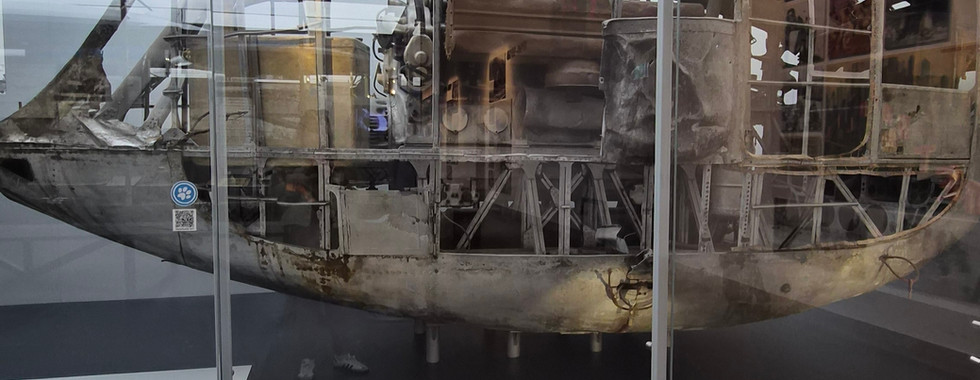


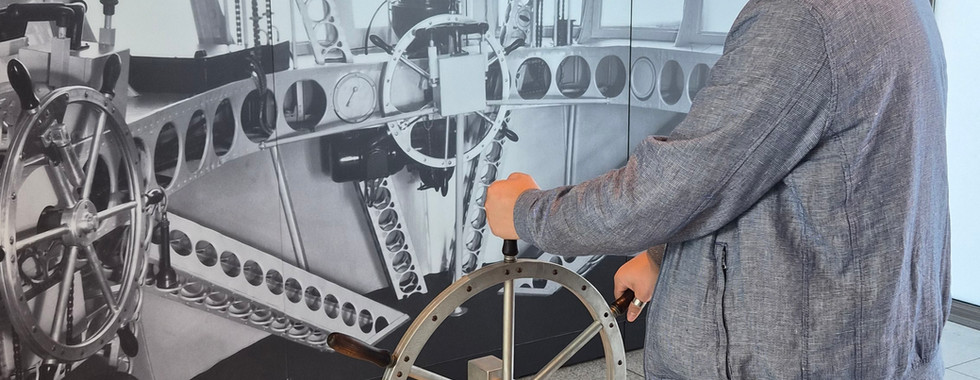
The museum's centrepiece is a 33-metre-long reconstruction of part of the legendary LZ 129 Hindenburg. Visitors can walk through faithfully recreated passenger cabins, lounges, dining areas and public spaces, gaining a rare insight into what was once considered the most luxurious form of air travel. At a time when crossing the Atlantic by ocean liner could take nearly a week, Zeppelin passengers could complete the journey in just a few days while enjoying surroundings comparable to a first-class hotel.
Beyond the reconstruction, the museum explores the science and engineering behind lighter-than-air flight through interactive exhibits, original engines, navigation instruments, technical drawings and recovered components from historic airships. The exhibitions also examine the cultural, social and political significance of aviation during the twentieth century, helping visitors understand why Zeppelins once symbolised the future itself.
The Industrial Heart of Lake Constance
Beyond aviation, Friedrichshafen played a significant role in Germany's industrial development. Major engineering companies emerged here, including ZF Friedrichshafen, now one of the world's largest automotive technology suppliers.
The city suffered extensive bombing during the Second World War due to its strategic industrial importance. Much of the historic centre was destroyed, explaining why Friedrichshafen appears noticeably more modern than neighbouring towns such as Meersburg or Lindau. Reconstruction after the war created the broad waterfront promenades and contemporary urban layout visitors see today.
Today, Friedrichshafen continues to thrive as a centre for advanced manufacturing, mobility technologies and international trade fairs, blending its industrial heritage with a focus on innovation and sustainability.
Sustainable Dining: The Tress Brüder Experience

Among Friedrichshafen's most innovative culinary experiences is Tress Brüder, a family-run hospitality group that has become one of Germany's leading advocates for organic gastronomy and regenerative food systems.
Located within the Zeppelin Museum itself, the Tress Brüder Bio-Restaurant provides a unique opportunity to combine cultural exploration with a memorable dining experience overlooking Lake Constance. The restaurant reflects Friedrichshafen's modern commitment to sustainability, traceability and responsible food production.
The Tress family has been pioneering biodynamic and organic agriculture since the 1950's, decades before sustainability became a mainstream concern. Their philosophy centres on knowing exactly where ingredients come from, supporting regional producers and minimising environmental impact throughout the supply chain. Today they operate several organic restaurants and hospitality ventures across southern Germany.
Menus are developed under the guidance of Simon Tress, who became Germany's first chef to earn a Michelin star for a fully organic restaurant concept. His approach demonstrates that high-end dining can coexist with environmental responsibility and ethical sourcing.
The restaurant's philosophy focuses on:
Certified organic ingredients
Farm-to-table sourcing
Seasonal menus
Minimal food waste
Transparent supply chains
Support for local producers
Many ingredients originate from the Lake Constance region and the nearby Swabian Alb, ensuring freshness while reducing transportation impacts. Traditional regional recipes are reimagined with contemporary techniques, resulting in dishes that are both rooted in local heritage and distinctly modern.


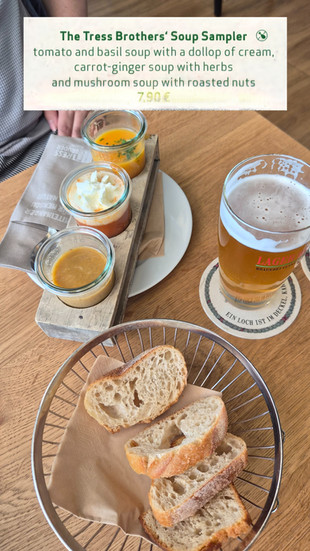


The restaurant also hosts popular "Kitchen Party" events, where guests can meet chefs, sample dishes from live cooking stations and learn more about sustainable food production. These experiences reinforce the connection between innovation, education and craftsmanship that defines both the restaurant and the museum below.
Together, the Zeppelin Museum and Tress Brüder capture two defining aspects of Friedrichshafen: a city that once pioneered the future of transportation and now embraces new ideas about how food can be produced, prepared and enjoyed more sustainably.
Langenargen: Lakeside Tranquillity on the Shores of Lake Constance
Among the many towns that line the shores of Lake Constance, Langenargen offers something increasingly rare: space, calm, and uninterrupted views. While visitors often gravitate toward larger destinations such as Lindau, Konstanz, or Bregenz, Langenargen remains a more peaceful lakeside retreat where life moves at the rhythm of the water.

Situated on the northern shore of the lake in the German state of Baden-Württemberg, the town occupies one of the most scenic positions on the Bodensee. From the waterfront, visitors can look south across the vast expanse of water toward the snow-capped peaks of the Swiss Alps, while the mountains of western Austria rise to the southeast. On clear mornings, the lake appears almost Mediterranean in colour, creating one of the most spectacular natural panoramas in Central Europe.
The History of Langenargen
Langenargen's history stretches back more than a thousand years. During the Middle Ages, the settlement became an important trading and fishing community on Lake Constance, benefiting from its position on routes linking southern Germany, Switzerland, and Austria.
The town was closely associated with the powerful Counts of Montfort, a noble family that controlled significant territory around the lake. Their influence can still be seen in the area's architecture and historical landmarks, particularly the elegant lakeside Montfort Castle, whose distinctive towers have become the symbol of the town.
Unlike many larger settlements around the lake, Langenargen retained much of its traditional character. Fishing boats still operate from the harbour, lakeside promenades remain central to daily life, and the town continues to feel authentically local rather than heavily commercialised.
Today, it serves as an ideal base for exploring three countries in a single trip: Germany, Switzerland, and Austria are all within easy reach by ferry, road, or rail.
Staying at Seehotel Amtshof: A Historic Lakeside Retreat


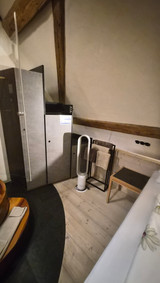



The true highlight of a stay in Langenargen is Seehotel Amtshof.
Unlike modern chain hotels, the Amtshof offers something far more distinctive: the opportunity to stay inside a carefully restored historical monument.
Originally built in 1590 by the Counts of Montfort, the building functioned as an agricultural and economic estate serving the ruling family. Over centuries it evolved through various uses before being acquired by the Wocher family in 1821. Today, the hotel remains in the hands of the eighth generation of that family, making it one of the region's most remarkable examples of long-term family stewardship.
The transformation into a boutique hotel was completed in 2008, with a strong emphasis on preserving historical character while introducing modern comfort and sustainability.
Walking through the property, guests immediately notice exposed timber beams, traditional half-timbered construction, handcrafted furnishings, and carefully preserved architectural details that tell the story of more than four centuries of history. Yet the atmosphere never feels museum-like; instead, it balances heritage with contemporary luxury.
The Rooms: Natural Luxury and Comfort
The hotel contains just fourteen individually designed rooms and suites, creating an intimate and exclusive atmosphere.
What makes the rooms particularly special is the use of natural materials throughout:
Pinewood beds
Natural mattresses
Handmade wooden furniture
Clay walls
Natural stone features
Untreated wooden floors
Many furnishings were custom-made by local craftsmen, reinforcing the connection between the hotel and the surrounding region. Rather than relying on flashy luxury, the design philosophy focuses on wellness, healthy living, and tranquillity. The result is a warm, calming environment where guests often remark on the exceptional quality of sleep. Several rooms offer direct views across Lake Constance, while others overlook the hotel's gardens and lakeside parkland.
One of the Most Eco-Friendly Hotels on Lake Constance
Sustainability is not simply a marketing term at the Amtshof - it is embedded in the building itself.
During the extensive restoration, the owners chose ecological construction methods and natural materials throughout the property. These include:
24 tonnes of rammed earth and clay construction
Locally sourced timber
Natural insulation materials
Solar power generation
Ground-source geothermal energy
Environmentally friendly heating systems
Shielded electrical wiring designed to reduce electromagnetic exposure indoors
The clay walls naturally regulate humidity and temperature, creating a healthier indoor climate while reducing energy consumption. Solar energy and geothermal heating provide much of the hotel's energy needs, significantly lowering its environmental footprint. The hotel's commitment to sustainability extends beyond construction to daily operations, making it one of the most environmentally conscious boutique hotels in the Bodensee region.
Breakfast at Seehotel Amtshof
Breakfast is frequently cited as one of the standout experiences of a stay.
Rather than a standard buffet, guests are presented with a carefully curated selection of regional and high-quality products, often sourced from local producers around Lake Constance. Reviews consistently praise the freshness, presentation, and variety of the offerings.





Typical selections include:
Fresh artisan breads and rolls
Regional cheeses
Local cured meats
Homemade jams and preserves
Seasonal fruit
Fresh egg dishes
Vegetarian and vegan options
Gluten-free alternatives upon request
On warm mornings, breakfast can be enjoyed in the lakeside garden, where tables overlook the water and distant mountains. Few hotel breakfasts in Europe can rival the experience of sipping coffee while watching the sun rise over the Alps across Lake Constance.
Dining at Akzent Hotel Löwen
For dinner, the nearby Akzent Hotel Löwen provides an excellent introduction to regional cuisine.
The restaurant celebrates the culinary traditions of Swabia and the Lake Constance region, combining rustic heritage with refined presentation.
The menu typically highlights dishes such as:
Maultaschen (Swabian stuffed pasta pockets)
Käsespätzle (egg noodles with cheese and onions)
Slow-cooked regional meats
Seasonal game dishes
Lake fish from the Bodensee
Roast beef and venison specialties


The cuisine reflects centuries of agricultural traditions from southern Germany while incorporating ingredients sourced from local farms, orchards, and fisheries. One of the greatest culinary pleasures of the region is its freshwater fish.
Depending on the season, menus often feature:
Whitefish (Felchen)
Perch
Pike-perch (Zander)
Trout
These species are caught in Lake Constance and prepared with simple accompaniments that allow their delicate flavours to shine. Dining here therefore becomes not merely a meal but an introduction to the wider cultural landscape of the Bodensee.
The Views: Germany, Switzerland and Austria in One Panorama


Perhaps the greatest luxury offered by Langenargen is not found inside a hotel or restaurant at all.
It is the view.
From the waterfront promenade and the gardens of the Amtshof, guests enjoy one of the widest panoramas on Lake Constance. Looking south across the water:
Switzerland forms the distant horizon.
The Swiss Alps rise dramatically behind the lake.
Austria's Vorarlberg mountains appear to the southeast.
Sailboats drift between three countries.
Snow-covered peaks remain visible even in summer.
On particularly clear days, the contrast is extraordinary: blue lake water in the foreground, green vineyards and orchards along the shore, and white alpine summits beyond.
As evening approaches, the setting sun casts golden light across the lake while the mountains gradually fade into shades of purple and blue. It is this combination of tranquillity, history, and natural beauty that makes Langenargen one of the most rewarding destinations on Lake Constance.

Rather than competing with the larger resort towns, Langenargen offers something more memorable: a chance to slow down, stay in a 400-year-old eco-conscious hotel, enjoy authentic regional cuisine, and wake each morning to views stretching across Germany, Switzerland, and Austria.
Vaduz, Liechtenstein: Alpine Luxury and Controlled Tourism

A short journey inland from Lake Constance brings travellers to Vaduz, where rolling lakeside landscapes give way to dramatic alpine scenery. As the capital of Liechtenstein, Vaduz offers a unique blend of mountain beauty, historic tradition, economic prosperity, and environmental responsibility. Although one of the world's smallest countries, Liechtenstein has cultivated a reputation for efficiency, sustainability, and high living standards, creating a destination that feels both exclusive and welcoming.
A Principality Shaped by History
Liechtenstein's story is closely tied to the noble family that still governs the country today. Established as a sovereign principality in 1719, the nation has maintained its independence through centuries of political change across Europe. Despite its small size, it has developed into one of the world's most prosperous countries while preserving its strong sense of identity.
Overlooking the capital is the imposing Vaduz Castle, the official residence of the princely family. Situated high above the town on a wooded hillside, the castle serves as a visible reminder of the country's monarchy and historical continuity. Although not generally open to the public, it remains one of Vaduz's most recognisable landmarks and can be viewed from several walking routes throughout the town.
Exploring Vaduz


Vaduz itself is compact and easy to explore on foot. The town combines modern architecture, cultural institutions, boutique shopping, and public art with a backdrop of steep mountain slopes. Visitors can wander through the pedestrianised centre, enjoying the relaxed atmosphere that characterises much of Liechtenstein.
The capital also serves as a gateway to the surrounding mountains, making it an ideal base for both cultural exploration and outdoor activities.
Driving into the Mountains
One of the most memorable aspects of visiting Liechtenstein is the drive into the alpine regions above Vaduz. Narrow, winding mountain roads climb steadily through forests and traditional farming settlements, revealing increasingly dramatic views over the Rhine Valley.

As the elevation increases, the scenery becomes more spectacular. Meadows dotted with grazing cattle give way to dense forests and rugged mountain terrain. Numerous lay-bys and viewing areas provide opportunities to stop and admire the landscape, with panoramic vistas stretching across Liechtenstein and into neighbouring Switzerland and Austria. The journey itself becomes part of the experience, offering a gradual transition from urban life to the tranquillity of the high Alps.
Hiking in the Valüna Valley


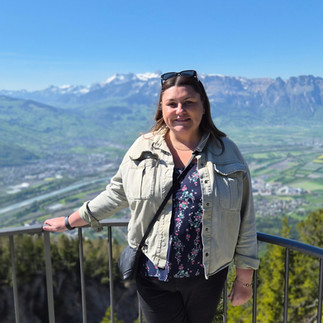


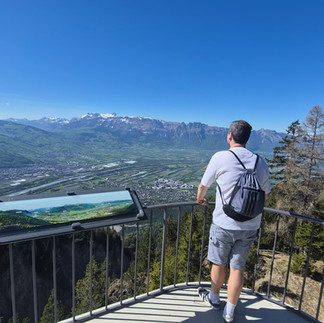





Among the most peaceful areas to explore is the Valüna Valley. Located in the eastern part of the country, the valley exemplifies Liechtenstein's commitment to sustainable tourism and environmental conservation.
The valley's network of well-maintained trails allows visitors to experience alpine landscapes with minimal ecological impact. Gentle routes follow mountain streams and meadows, while more challenging paths climb towards higher elevations and remote viewpoints.
Walking through the valley provides a sense of calm rarely found in more heavily visited alpine destinations. The sounds of flowing water, birdsong, and distant cowbells replace the noise of traffic, creating an immersive natural experience.
The mountain viewpoints above Vaduz are among the finest in the country. From elevated positions, visitors can look down across the entire Rhine Valley, with the compact capital appearing almost miniature against the vast surrounding landscape.
On clear days, the views extend far beyond Liechtenstein's borders. The mountains of Switzerland rise to the west, while Austrian peaks dominate the eastern horizon. Vineyards, forests, villages, and agricultural land create a patchwork of colours below, providing excellent opportunities for photography.
These viewpoints offer a striking reminder of how closely connected Liechtenstein is to the surrounding alpine environment.
Dining at Restaurant Altenbach


An important part of the visit was dining at Restaurant Altenbach, a restaurant that reflects many of the values associated with modern Liechtenstein. The menu places a strong emphasis on quality, sustainability, and regional identity, showcasing carefully selected ingredients sourced from local producers whenever possible.
Seasonal produce plays a central role in the dishes, ensuring that the menu changes throughout the year to highlight the freshest ingredients available. Typical menu offerings include expertly prepared beef and veal dishes, fresh fish, homemade soups, seasonal vegetable dishes, and traditional Alpine specialities such as game meats and regional cheeses. Desserts often feature local ingredients, including berries, apples, and cream-based recipes inspired by Alpine culinary traditions.
The atmosphere of the restaurant is elegant yet welcoming, striking a balance between sophistication and comfort. Large windows and its mountain location allow diners to appreciate the surrounding landscape, creating a strong connection between the food and the natural environment. Rather than relying on extravagance, the restaurant focuses on thoughtful presentation, attentive service, and a relaxed dining experience.
Each dish demonstrates a high level of craftsmanship and attention to detail, from the careful preparation of ingredients to the artistic presentation on the plate. The flavours are balanced and authentic, reflecting the culinary traditions of the Alpine region while introducing subtle modern influences. Signature menu items may include tender beef fillet accompanied by seasonal vegetables, pan-fried fish with herb sauces, handmade pasta dishes, and carefully curated cheese selections that highlight regional products. These dishes provide guests with an opportunity to experience both traditional and contemporary aspects of Liechtenstein’s cuisine.
Dining at Restaurant Altenbach was therefore more than simply a meal; it was an opportunity to experience the country’s commitment to quality, tradition, and innovation. The restaurant successfully captures the character of contemporary Liechtenstein, where respect for heritage exists alongside a forward-looking outlook, making it a memorable highlight of the visit.
Staying at Hotel Vaduzerhof by b_smart
Accommodation at Hotel Vaduzerhof by b_smart provided an insight into the country's modern and efficient approach to hospitality. The hotel embraces automation and smart technology, allowing guests to check in and access services with minimal administrative processes.


The contemporary design creates a clean and comfortable environment, while the central location makes it an excellent base for exploring both the capital and the surrounding mountains. The emphasis on efficiency aligns closely with Liechtenstein's broader culture of innovation and sustainability.
Breakfast at the hotel offered a relaxed and enjoyable start to each day. A generous selection of fresh breads, pastries, cheeses, cured meats, fruit, cereals, and hot beverages showcased the quality of local and regional produce.
A Model of Sustainable Alpine Tourism
What distinguishes Vaduz and Liechtenstein from many larger alpine destinations is the country's commitment to controlled tourism. Rather than pursuing large visitor numbers, Liechtenstein focuses on maintaining high-quality experiences while protecting its natural environment.
Carefully planned infrastructure, efficient public services, well-maintained hiking routes, and strong environmental policies allow visitors to enjoy the country's landscapes without overwhelming them. The result is a destination where luxury, sustainability, and nature coexist successfully.




For travellers seeking a quieter and more refined alpine experience, Vaduz demonstrates how a small nation can offer exceptional scenery, cultural richness, and modern hospitality while preserving the qualities that make it unique.
Arriving in St Gallen
What truly sets Lake Constance apart in 2026 is its holistic approach to sustainability. Environmental protection is embedded not only in policy but also in the everyday life of the communities surrounding the lake, ensuring that it remains one of the cleanest and most carefully managed freshwater ecosystems in Europe.

Credit: Bodensee Tourismus
During our guided tour, this commitment to sustainability became evident throughout the region. As we travelled around Lake Constance, our guide explained how Germany, Austria, and Switzerland collaborate to protect the lake’s water quality, biodiversity, and cultural heritage. This cross-border cooperation has helped create a destination where environmental stewardship and tourism coexist successfully.
A particular highlight of our visit was our time in St. Gallen, one of eastern Switzerland’s most historic and culturally significant cities. Our guided tour was led by Antoinette Corciulo, who met us at the train station beneath the iconic digital clock before introducing us to the city’s remarkable history. The walking tour lasted approximately two hours and provided a fascinating insight into the development of St. Gallen from its origins as a monastic settlement to its modern role as a centre of culture, education, and tourism.

The tour focused on the renowned Abbey District of St. Gallen, a UNESCO World Heritage Site and one of the most important cultural landmarks in Switzerland. Antoinette guided us through the historic district, explaining how the abbey grew from the hermitage established by the Irish monk Gallus in the 7th century into one of Europe’s leading centres of learning during the Middle Ages. The district remains exceptionally well preserved and showcases centuries of religious, architectural, and intellectual history.
One of the most memorable parts of the visit was the Abbey Library, often described as one of the most beautiful libraries in the world. Entering the library felt like stepping back in time. The magnificent Baroque interior, with its ornate wooden galleries, decorative ceilings, and intricate carvings, reflected the wealth of knowledge and scholarship that flourished here for centuries. We learned that the library houses an extraordinary collection of ancient manuscripts and rare books, many of which date back over a thousand years. These priceless works provide a unique insight into medieval scholarship and the preservation of knowledge throughout European history.





As we walked through the Abbey District, we also visited the impressive Cathedral of St. Gallen, whose twin towers dominate the city skyline. Antoinette explained the significance of the cathedral and its role within the former Benedictine abbey complex. The combination of religious architecture, historical importance, and artistic detail made this one of the most captivating parts of the visit.





Following the guided tour, Antoinette accompanied us to Restaurant National zum Goldenen Leuen, located on Schmiedgasse in the heart of the old town. Lunch was generously hosted by St. Gallen-Bodensee Tourism, allowing us to experience local hospitality and regional cuisine in a traditional Swiss setting. The meal provided an excellent opportunity to reflect on the morning’s discoveries and appreciate the welcoming atmosphere of the city.


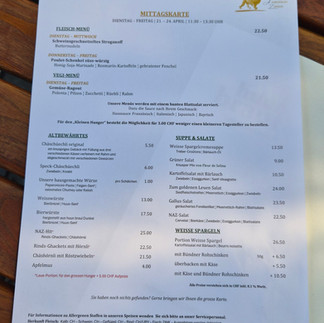


After lunch, we had time to explore St. Gallen independently. A particularly recommended destination was Drei Weieren, a series of historic ponds and recreational areas situated above the city. Accessible via the charming Mühleggbahn funicular, the area offers spectacular panoramic views over St. Gallen, the surrounding countryside, and, on clear days, distant views towards Lake Constance and the Alps. The peaceful setting demonstrated how closely urban life and nature are integrated in the region.


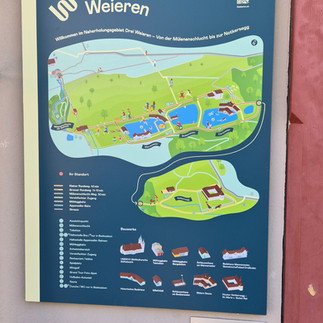


Throughout the day, St. Gallen showcased many of the qualities that define sustainable tourism in Switzerland. The city successfully preserves its cultural heritage while maintaining modern infrastructure and high environmental standards. Efficient public transportation, careful conservation of historic sites, and support for local businesses all contribute to a visitor experience that feels authentic, responsible, and enriching.
The experience in St. Gallen provided a fitting conclusion to our exploration of the Lake Constance region. Together, the lake’s environmental leadership and St. Gallen’s cultural treasures demonstrated how sustainability, heritage preservation, and tourism can work in harmony to create memorable and meaningful travel experiences.
Why Lake Constance Stands Out?
In an era when many destinations compete through scale, novelty, or social-media appeal, Lake Constance offers a different kind of travel experience. It does not rely on dramatic landmarks or crowded attractions to capture attention. Instead, its appeal emerges gradually, through a collection of thoughtful details that reveal themselves over time.
The region rewards slow exploration. A morning might begin with a cycle ride along impeccably maintained lakeside paths, continue with a ferry crossing that feels as much a part of the journey as the destination itself, and end with a glass of locally produced wine overlooking the water as the sun sets behind distant Alpine peaks. These experiences are not designed as spectacles; they are simply woven into everyday life.
What makes Lake Constance particularly remarkable is the way it functions as a unified region despite being shared by three countries: Germany, Austria, and Switzerland. Travellers move effortlessly across borders, encountering subtle shifts in architecture, cuisine, language, and cultural traditions while remaining connected by a common landscape and history. Few places in Europe offer such a seamless multinational experience.
The region also provides a compelling example of how tourism can evolve in a more sustainable direction. Public transportation, cycling infrastructure, ferries, and pedestrian-friendly town centres are not presented as environmental initiatives for visitors to admire - they are practical systems that residents use every day. Sustainability here feels authentic because it is integrated into the fabric of local life rather than promoted as a marketing slogan.
Equally important is the balance Lake Constance achieves between accessibility and authenticity. Visitors can enjoy world-class museums, historic towns, vineyards, nature reserves, and outdoor recreation without the overcrowding that increasingly affects many of Europe's most famous destinations. The pace encourages observation, conversation, and genuine engagement with place rather than the rapid consumption of attractions.
For travellers seeking depth rather than checklist tourism, Lake Constance offers a rare combination of cultural richness, environmental stewardship, and cross-border connectivity. It demonstrates that meaningful travel does not always come from seeking the extraordinary. Sometimes it comes from discovering a region where quality of life, history, nature, and human connection exist in quiet harmony.
In 2026, Lake Constance stands not simply as a beautiful destination, but as a model for the future of European travel - one where mobility is seamless, sustainability is practical, and the most memorable experiences are often found in the details.
What do you think? Do you think you will visit Lake Constance (Bodensee) on your next European break?
Find out more at Bodensee Tourismus website.
We would appreciate it if you could share this blog post! Thank you.
Disclaimer:
This blog post may contain affiliate links, although most of the links are organic. If you click any of the affiliate links, it is a great way to support creators, like us as we may earn a small percentage of any sales/click (at no extra cost to you). Take a look at our disclaimer and privacy policy for more information.
Comments